If you want to sell your Erie home for the strongest possible price, your work starts before the listing goes live. In a market where homes took about 47 days to sell on average in March 2026 and many homes saw about one offer, buyers have time to compare options and notice the details. The good news is that a smart pre-listing plan can help you avoid last-minute stress, present your home well, and make the most of those critical first days on market. Let’s dive in.
Why pre-listing prep matters in Erie
Erie sellers are not just putting a home on the market. You are launching a full presentation that includes condition, paperwork, timing, and marketing.
That matters because the first impression now happens online. Buyers often decide whether to schedule a showing based on the photos and overall presentation, and industry data shows listing photos are one of the most useful parts of a home search.
The first 7 to 10 days after your home hits the market are especially important. That is usually when online views and showing requests are strongest, so you want your home fully ready before it goes live.
Start with repairs buyers will notice
Before you spend money on cosmetic updates, focus on the items buyers are most likely to see right away. Deferred maintenance, unfinished DIY work, dirty surfaces, poor lighting, and exterior neglect can all hurt your first impression.
A buyer does not need a formal inspection report to feel uncertain. If a loose handrail, scuffed trim, roof concern, damaged fence, or worn caulk stands out during a showing, many buyers will start wondering what else has been overlooked.
Prioritize visible condition issues
A practical first pass is to walk through your home like a buyer would. Look for anything that feels unfinished, dated in a distracting way, or poorly maintained.
Pay close attention to:
- Touch-up paint and wall damage
- Loose hardware or fixtures
- Stained carpet or worn flooring
- Leaky faucets or plumbing drips
- Burned-out light bulbs
- Damaged baseboards or doors
- Exterior trim, siding, and front entry wear
- Overgrown landscaping or neglected yard areas
Check permit requirements before doing work
In Erie, many common projects can require permits. The Town of Erie lists decks, fences, roofing over more than one square, basement finishes, remodels, HVAC replacements, electrical and plumbing changes, water heaters, solar panels, and radon mitigation systems as examples that may require approval.
Some smaller cosmetic work may not require a permit. The town lists paint, floor covering, cabinet or countertop replacement without structural changes, and like-for-like fixture swaps as examples that generally do not require one.
Because the town also says its guide is not exhaustive, it is smart to confirm any borderline project with the Building Division before you start. That step can help you avoid delays right before listing.
Gather permit records for past improvements
If you already completed work on the home, pull together the records now. Permit paperwork and inspection documents can become important when you are preparing disclosures and answering buyer questions.
This is especially helpful if you finished a basement, replaced a water heater, added a deck, installed solar, or completed radon mitigation. Starting early matters because Town of Erie review timelines can range from 1 to 2 business days for quick permits to several weeks for more involved residential review.
Clean, declutter, and depersonalize
A clean home feels cared for. A cluttered home feels like work.
That may sound simple, but it has a real impact on showings. Buyers are often turned off by lingering odors, crowded closets, bathroom clutter, dirty surfaces, messy garages, and too many personal items.
Focus on the spaces buyers notice most
You do not need a complete remodel to improve presentation. In many cases, deep cleaning and decluttering will do more for your sale than a rushed upgrade.
Before photos and showings, aim to:
- Remove personal photos and highly specific decor
- Clear kitchen and bathroom counters
- Organize closets and storage spaces
- Clean windows, floors, baseboards, and light fixtures
- Eliminate pet and cooking odors
- Tidy the garage and utility areas
Keep the look neutral and move-in ready
Your goal is to help buyers picture the home clearly. That is easier when rooms feel open, bright, and neutral.
This does not mean your home needs to look cold or empty. It means reducing distractions so the layout, light, and condition stand out more than your belongings.
Improve curb appeal before photos
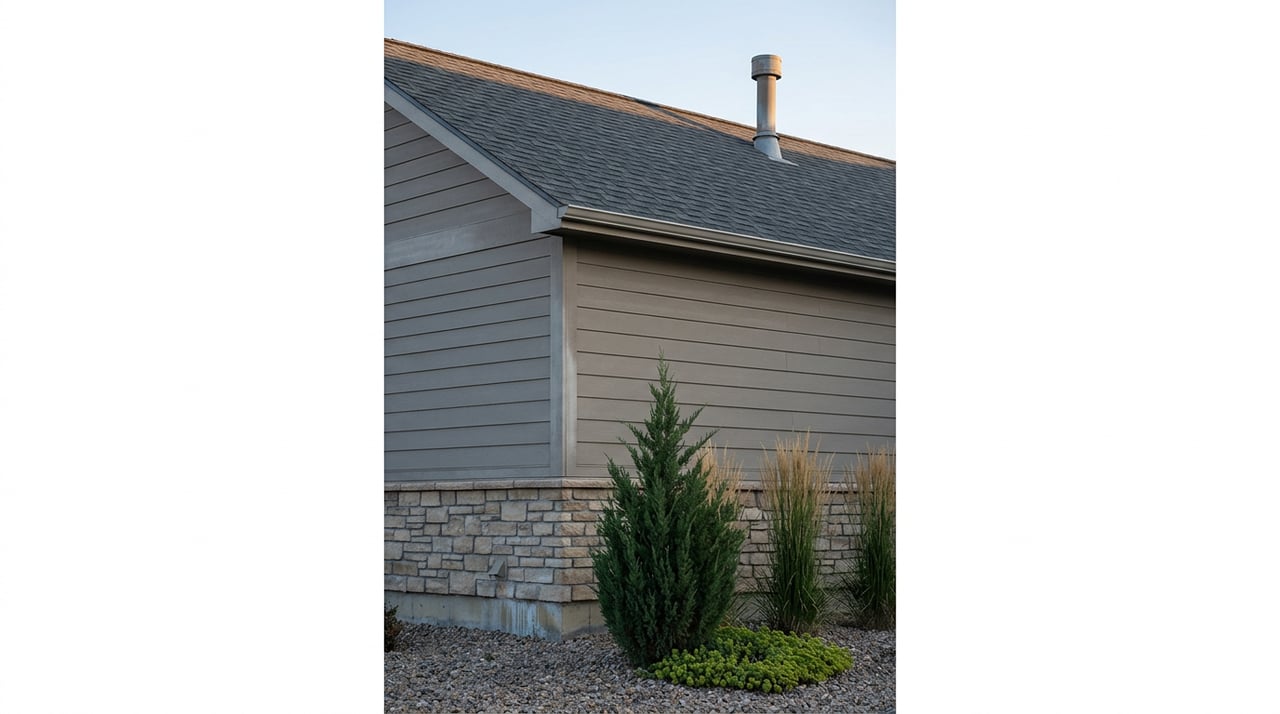
Your exterior sets the tone before a buyer even steps inside. It also shapes whether someone clicks on your listing when they see the first image online.
Basic landscaping and entry cleanup can go a long way. A neglected yard or messy front approach can make buyers wonder whether the interior has been maintained with the same level of care.
Simple curb appeal updates that help
Low-cost fixes often make a noticeable difference. Focus on clean, neat, and welcoming rather than overdoing it.
Consider this exterior checklist:
- Mow and edge the lawn
- Trim shrubs and remove dead plants
- Sweep porches, sidewalks, and the driveway
- Clean the front door and entry glass
- Add fresh mulch where needed
- Place simple potted plants near the entrance
- Store trash bins and yard tools out of sight
Stage for clarity, not clutter
Staging can still help even when market conditions are decent. According to NAR’s 2025 staging data, many buyers find it easier to picture a home as their future home when it is staged.
The most commonly staged rooms are the living room, primary bedroom, and dining room. That makes sense because these are the spaces that often shape a buyer’s emotional response to the home.
Where staging usually matters most
You do not need to stage every inch of the property the same way. Start with the rooms that appear most often in marketing and carry the most visual weight.
Give extra attention to:
- Living room
- Primary bedroom
- Dining area
- Kitchen
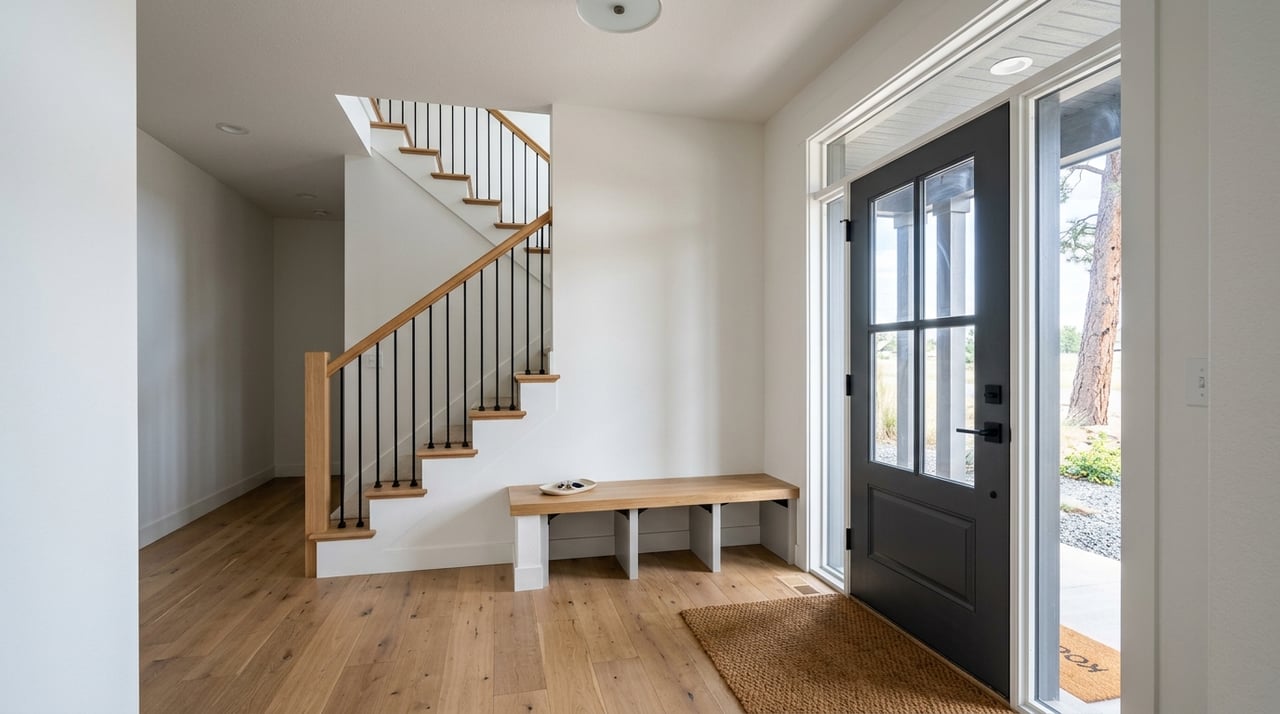
- Entryway
A well-staged home should still feel honest. Overstyling or trying to disguise the home’s true condition can backfire when buyers walk in and see something different from the photos.
Prepare photos only after the home is ready
Professional photography should happen after cleaning, decluttering, repairs, and staging are complete. If you photograph too early, you may end up showcasing flaws you could have fixed with a little more planning.
This is a big deal because photos are often the first real showing. If the online presentation is strong, buyers are more likely to book a tour. If it is weak, they may move on before ever stepping through the door.
Keep your marketing accurate
Strong marketing should highlight your home, not misrepresent it. Overedited images or misleading angles can create disappointment when buyers visit in person.
A better approach is clean, bright, accurate presentation. That builds trust and helps your online listing match the in-person experience.
Gather Colorado disclosures early
Paperwork is one of the most overlooked parts of pre-listing prep. In Colorado, the Seller’s Property Disclosure form covers a wide range of topics, so it helps to organize your records before your home is listed.
For Erie sellers, that can include documents related to water intrusion, drainage, grading, radon testing or mitigation, HOA information, metropolitan district status, insurance claims, restrictive covenants, written reports, and structural or engineering plans.
Build a pre-listing document folder
If you gather these items early, you will likely have a smoother listing process. It also becomes easier to answer buyer questions quickly and accurately.
Your folder may include:
- Prior repair invoices
- Permit and inspection records
- Roof, HVAC, plumbing, or electrical service records
- Radon testing or mitigation paperwork
- HOA documents and fee information
- Metro district information
- Insurance claim records
- Any engineering or structural reports
Do not overlook radon and HOA items
Colorado law specifically requires written disclosure of known radon concentrations and history, along with the most recent state brochure used for radon in residential real estate transactions. If your home has been tested or mitigated, make sure those records are easy to access.
If your home is in an HOA or common-interest community, gather governing documents, fee schedules, and any sale-related assessments early. If the property is in a metro district, that should also be treated as a separate disclosure item.
Work backward from your target list date
One of the best ways to reduce stress is to plan backward from the day you want to go live. That gives you time to separate quick cosmetic fixes from larger projects that may need permits, vendor scheduling, or extra paperwork.
This approach also helps you protect the momentum of your launch. In Erie, where homes averaged about 47 days on market in March 2026, a home that starts weak can lose attention quickly.
A practical Erie pre-listing timeline
Here is a simple way to think about the process:
3 to 6 weeks before photos
Use this window to decide which repairs are worth doing. Confirm permit needs, pull records, and gather disclosure documents, HOA materials, radon information, and prior permit files.
1 to 2 weeks before photos
Finish deep cleaning, decluttering, depersonalizing, and curb appeal work. Complete staging and make sure every key room is ready for the camera.
Right before launch
Schedule professional photography, finalize your listing copy, and review the overall presentation. The goal is to make sure the online marketing reflects the home honestly and clearly from day one.
Your pre-listing checklist for Erie
If you want a quick reference, here is the short version:
- Walk the home and note visible repairs
- Check whether any planned work needs an Erie permit
- Gather past permit and inspection records
- Deep clean the entire home
- Declutter closets, counters, and storage areas
- Remove overly personal items
- Refresh curb appeal
- Stage the main living spaces
- Complete professional photos after prep is done
- Organize Colorado disclosure documents
- Pull HOA, radon, and metro district information if applicable
- Set a launch date only after the home is truly ready
A stronger launch starts before day one
Selling your home in Erie is not just about putting a sign in the yard. It is about making sure your home shows well, your paperwork is organized, and your launch timing supports the best possible first impression.
When you handle repairs, prep, disclosures, and marketing in the right order, you give yourself a better shot at a smooth sale and fewer surprises along the way. If you are planning to sell in Erie and want a calm, organized strategy built around your timing and your home’s strengths, connect with Jonathan Pierotti.
FAQs
What repairs should I make before selling my home in Erie, CO?
- Focus first on visible issues like deferred maintenance, unfinished DIY work, damaged surfaces, poor lighting, and exterior neglect. These are often the items buyers notice fastest during showings.
Do I need a permit for pre-listing work in Erie?
- Some projects do require permits in Erie, including many decks, fences, roofing jobs over more than one square, basement finishes, remodels, HVAC replacements, plumbing and electrical changes, water heaters, solar, and radon mitigation systems. Cosmetic updates like paint and some like-for-like replacements may not, but you should confirm with the Town of Erie for any unclear project.
What disclosures do Erie home sellers need in Colorado?
- Colorado sellers commonly need to organize information tied to the Seller’s Property Disclosure form, including property condition details, water intrusion, drainage, radon history, HOA information, metro district status, insurance claims, and related records.
Should I stage my Erie home before listing it?
- Staging can help buyers picture how the home lives, especially in main spaces like the living room, primary bedroom, and dining area. Even simple staging and furniture edits can improve how your home feels online and in person.
When should I take listing photos for my Erie home?
- Take photos only after repairs, cleaning, decluttering, and staging are complete. That helps your listing make the strongest first impression during the high-traffic first week on market.
How early should I start preparing to sell my home in Erie?
- A good rule of thumb is to start 3 to 6 weeks before photos if you need time for repairs, permit questions, or document gathering. If larger projects are involved, you may want even more lead time.