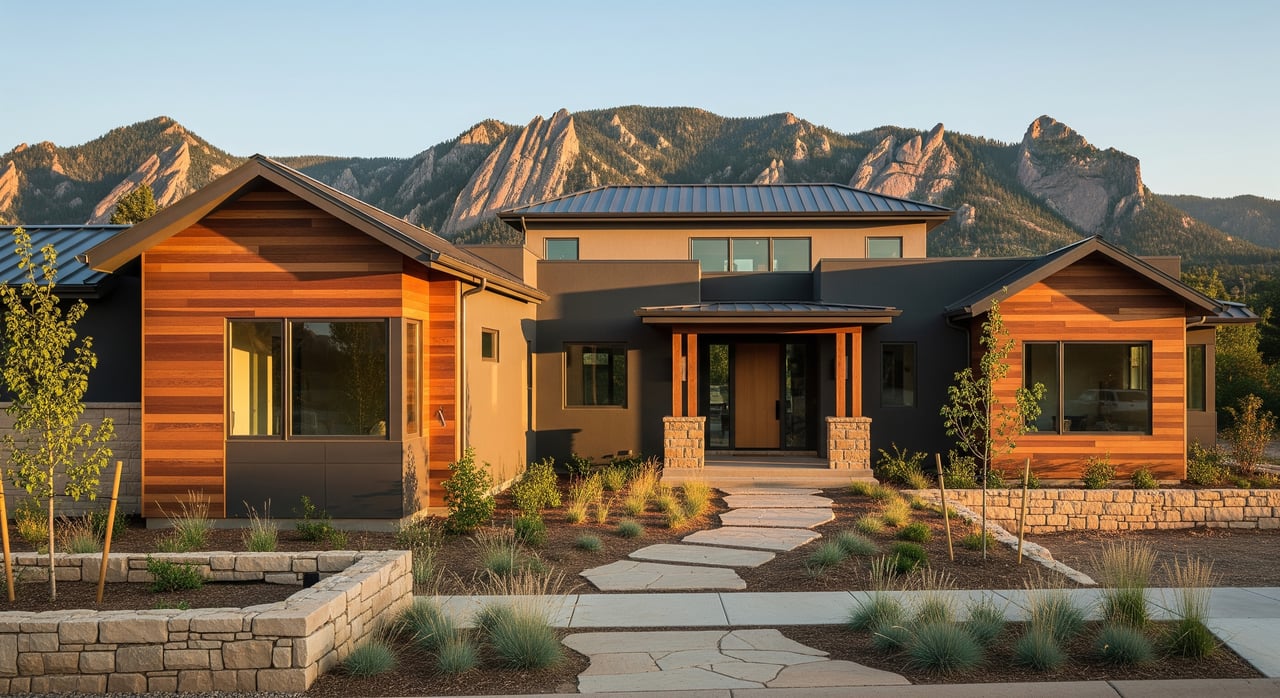
Thinking about building in Flatiron Meadows but not sure how long it will take? You are not alone. When you are coordinating a lease, a home sale, or a school-year move, the timeline can feel like the biggest unknown. In this guide, you will see typical milestone ranges, the Lafayette and Boulder County factors that affect timing, and practical steps to protect your move date. Let’s dive in.
Build types set the clock
Before you compare new construction to resale, ask what type of build the builder offers. The build type largely sets your baseline schedule.
- Production or spec homes often finish in about 6 to 9 months, since plans are set and options are limited.
- Semi-custom homes commonly run 9 to 12 months, with more selections and potential changes to coordinate.
- Custom homes are the most variable, often 12 to 18 months or longer when design and site work are extensive.
These are common ranges. Your final timeline will depend on permits, utilities, weather, builder backlog, and material availability.
Step-by-step timeline
Every builder will schedule phases a little differently, but most follow a similar sequence. Plan for ranges and confirm dates with your builder in writing.
Lot release to contract: 0–4 weeks
You select a lot or a spec, reserve it, and sign a contract. This is when you handle earnest money and an initial review of options. Some production builders compress this step into a quick reservation process.
Design selections: 2–6 weeks
You will choose structural options and finishes under firm deadlines. Late selections can cause delays or require change orders. Ask your builder to clarify which choices lock first and which can be finalized later.
Plan finalization and permit: 2–12 weeks
For spec homes, this may be fast or done already. Semi-custom and custom plans take longer to finalize. Your builder prepares documents for city review and any engineering required.
Permitting and utilities: 2–12+ weeks
The City of Lafayette typically reviews building and related permits. Utility coordination for water, sewer, electric, and gas can add weeks. Confirm what is required for your lot and when each utility must be approved.
Site work and foundation: 2–6 weeks
Crews grade the site, trench rough utilities, form and pour the foundation, then allow time for curing. Cold weather can slow this phase.
Framing and exterior shell: 2–6 weeks
The structure goes up quickly once crews are on site. Roofing and windows usually follow, with framing inspections along the way. Wet or cold conditions can extend this phase.
Rough-ins and inspections: 3–6 weeks
Trades install mechanical, electrical, plumbing, and HVAC. Expect multiple inspections and corrections before insulation.
Insulation to interior trim: 3–8 weeks
Insulation, drywall hang and finish, and interior trim progress in sequence. Drywall drying times and touchups often influence the pace.
Finishes and hookups: 3–8 weeks
Cabinetry, flooring, paint, and final mechanical hookups happen here. This is the busiest phase, and trade scheduling conflicts or late materials can create overruns.
Exterior and landscaping: 1–6 weeks
Driveways, final grading, and landscaping depend on weather and season. Builders sometimes use temporary measures and return for landscaping when conditions improve.
Final inspections and CO: 1–3 weeks
You will see a final inspection series, then a Certificate of Occupancy or a temporary CO depending on city requirements. A builder walkthrough creates a punch list to address before closing.
Closing and move-in: allow 1–3 weeks
Once the CO is issued and lender paperwork is complete, you can usually close within 1 to 3 weeks. Appraisal timing or last-minute punch items may add time, so build in a buffer.
In total, production builds often land near 6 to 9 months, semi-custom near 9 to 12 months, and custom at 12 to 18 months or longer. Your path may vary with season, builder scheduling, and selections.
Lafayette and Boulder County factors
Local processes and climate play a big role in how quickly a home gets from contract to keys.
Permits and inspections
Homes inside Lafayette city limits go through the City of Lafayette Building Division. You may see separate reviews for building, grading and drainage, and engineered foundation items. If a property is outside city limits, Boulder County permitting applies. Ask your builder for recent local review times.
Utilities and fees
New builds require approvals for water and sewer taps and new service for electric and gas. In many parts of Boulder County, electric and gas are provided by regional utilities that have their own application timelines. Confirm when utility approvals are needed for slab pour and for final connections so you can anticipate the schedule.
HOA and architectural review
Flatiron Meadows includes covenants and an architectural review step. Exterior materials, paint palettes, and certain site features may require approvals. This can add days or weeks, so plan for it early.
Weather and seasons
Winter cold, freeze and thaw, and snow can slow exterior trades, concrete, and roofing. Spring mud and late storms can delay grading and foundation work. Late summer monsoons can impact exterior finishes and landscaping. Expect pauses and plan buffers rather than assuming uninterrupted progress through winter.
Builder scheduling and backlog
Production builders often move crews through a community in waves. If earlier homes hit delays, the schedule can ripple. Custom builders depend on subcontractor availability, which can tighten during peak season. Ask for the current build queue and examples of recent completion dates for similar homes.
Supply chain and lead times
Appliances, cabinetry, specialty windows, and certain finishes can take weeks to months to arrive. Ask which items are already ordered at contract signing and whether contingency stock is available.
Plan smart to protect your timeline
A few clear steps can keep your build organized and on track.
- Ask for a written schedule with milestone dates and a weekly or biweekly update cadence.
- Build a buffer beyond the builder’s estimate. For production builds, consider 4 to 8 weeks. For custom, consider 8 to 16 weeks or more.
- Get a firm list of selection deadlines. Clarify the impact of missing a deadline, including possible delays or costs.
- Understand change orders. Some changes will be simple, while structural changes usually add time. Get time and cost impacts in writing.
- Schedule owner walkthroughs. Consider a pre-drywall visit and a detailed final. Use a checklist and document punch items with photos.
- Coordinate early with your lender on appraisal and loan type. New construction appraisals and construction loans can have different requirements and draw schedules.
- Confirm closing logistics. Ask whether closing requires a final CO or if a temporary CO is allowed by the city.
- Keep your move flexible. Use a movable date, flexible movers, or short-term storage if possible. If your timing is critical, discuss remedies and move windows in writing.
Flatiron Meadows build checklist
- Request the builder’s written schedule and update cadence.
- Confirm permit steps and utility timelines for your lot.
- Get all selection deadlines and lock dates in writing.
- Add a 4 to 8 week buffer for production, longer for custom.
- Clarify the change-order process and cutoff points.
- Plan owner walkthroughs and know your warranty process.
- Coordinate lender appraisal timing and loan type.
- Verify whether the builder closes on a CO or temporary CO.
- Submit HOA architectural approvals early and track status.
- Keep movers and occupancy plans flexible.
Quick tips for comparing options
If certainty matters, ask about near-complete or spec homes where permits and selections are already set. If you want more personalization, semi-custom offers flexibility with a moderate timeline. If you choose a custom build, plan for a longer window and more variables.
How Peak Home Partners supports you
You deserve a clear, steady process from lot selection to closing. Our team brings neighborhood-level guidance and organized buyer representation, with a focus on communication and accountability. We help you set realistic expectations, confirm key deadlines with your builder and lender, and keep your move plan flexible where it counts.
When you are ready to talk through options in Flatiron Meadows, connect with Jonathan Pierotti. We will help you compare timelines, review builder schedules, and move forward with confidence.
FAQs
How much can weather delay a Flatiron Meadows build?
- Weather can slow exterior work, concrete, and landscaping by weeks to months depending on season. Plan buffers of 4 to 12 weeks based on build type and time of year.
Who schedules inspections during new construction in Lafayette?
- The builder typically schedules municipal inspections at foundation, framing, mechanical and plumbing rough-ins, insulation, and final. You can also hire an independent inspector for pre-drywall and final walkthroughs.
What is a reasonable finish-to-close window for new builds?
- After substantial completion, final inspections and the Certificate of Occupancy usually allow closing within 1 to 3 weeks, assuming lender paperwork and appraisal timing are aligned.
How do change orders affect a Flatiron Meadows timeline?
- Simple changes may not delay completion, but structural or late-stage changes often add time. Always request the written cost and time impact before approving a change.
Are builder delivery dates guaranteed in Lafayette?
- Most builders avoid hard guarantees without specific contract terms. If timing is essential, negotiate defined remedies, such as rent credits or penalties, during contract signing.
What local steps can add time to a Flatiron Meadows build?
- Permit reviews, utility service approvals, HOA architectural review, and seasonal weather are the most common local factors. Discuss each timeline with your builder at the start.