Trying to decide between an early‑phase resale and a brand‑new build in Colliers Hill? You want more space, a bigger yard, and access to community amenities without surprises. This guide lays out the real costs, warranties, timelines, and negotiation differences so you can choose the path that fits your budget and move‑in goals. Let’s dive in.
Colliers Hill at a glance
Colliers Hill is a master‑planned community in Erie on the Denver–Boulder edge. Master‑planned neighborhoods grow in phases over several years, which means early areas can look and feel different from the newest sections.
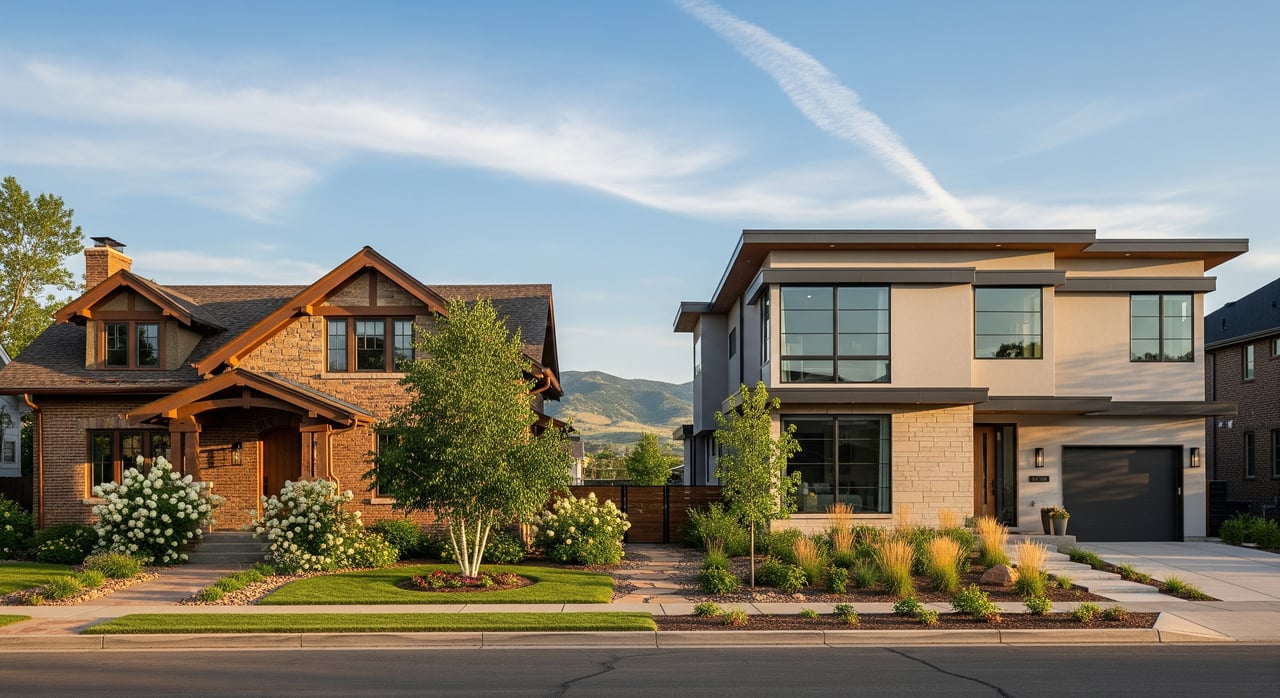
Resale homes in earlier phases often have completed landscaping, mature trees, and a finished neighborhood feel. New phases may offer updated plans and lots closer to new amenities as they come online. Your choice usually comes down to speed versus customization and budget versus timeline.
Price: what you really pay
Price comparisons can be tricky because “premium” shows up in different places. Understanding how each path builds to a final out‑the‑door number will help you avoid surprises.
Resale pricing dynamics
Resales in desirable early phases can list higher per square foot when they offer larger lots, finished basements, or high‑end upgrades. Completed landscaping, fencing, and window coverings add value because you do not need to spend on those after closing.
Inspection results matter. If older systems are nearing the end of their life, plan for near‑term maintenance or negotiate credits. Also track net cash at closing, including prepaid HOA dues and any concessions you win during negotiation.
New‑build pricing dynamics
Builders publish a base price, then add lot premiums and options. Popular or view lots can carry material premiums. Once you add design center choices, landscaping packages, and items like window coverings, your final cost can match or exceed comparable resales.
The curve can bend in your favor if builders offer incentives, closing cost credits, or mortgage rate buydowns. Those incentives can reduce your effective price, especially when interest rates are higher.
Make an apples‑to‑apples comparison
Use a turnkey approach so you are comparing real totals, not just list prices.
- For resales: include purchase price, inspection repairs or credits, near‑term maintenance, and the value of existing landscaping, fencing, and window coverings.
- For new builds: include base price, lot premium, options, design center selections, landscaping, fencing, window coverings, and any builder fees. Subtract incentives, closing cost assistance, or rate buydowns if offered.
- Adjust for differences in lot size, basement finish, square footage, and location within the community.
- Confirm net cash at closing for each path so you can compare bottom lines.
Warranty and long‑term risk
New construction and resale homes come with very different safety nets. Knowing what is covered and for how long can protect your budget in the first few years.
New‑build coverage
Most builders provide layered warranties. It is common to see a short workmanship warranty for finishes and labor, a limited warranty for mechanical systems, and a longer structural warranty for major defects. Appliances and roofing often carry separate manufacturer warranties that you register after closing. Always review the specific builder’s documents in writing.
The practical benefit is clear. You have defined coverage for early issues and a process to submit claims. Ask how repairs are handled, who performs the work, and typical response times.
Resale protections
Resale homes usually do not include the original builder warranty unless it is still in effect and transferable. Some sellers offer a one‑year home warranty at closing, which can help with certain systems, but it is not the same as a structural warranty. Plan for system age and replacement timelines during inspection.
If any builder warranty remains, verify transfer rules in writing. Confirm what is still covered and the steps to make a claim after you move in.
Warranty checklist before you sign
- Get the full warranty booklet from the builder, not just a summary.
- Confirm coverage terms for workmanship, systems, and structure, plus any exclusions.
- Ask whether warranty transfers to a new owner for resales with remaining coverage.
- Clarify the punch‑list process and timeline for new builds.
- Keep all manufacturer documents and register products after closing.
Timeline and logistics
Your timeline can drive the choice. Resales typically move faster, while new builds trade speed for customization.
Resale timeline
Most resales close in about 30 to 45 days once financing, appraisal, and inspections are complete. You may be able to arrange a rent‑back or delayed possession if you need time to sell your current home or coordinate a move.
New‑build timeline
Spec or inventory homes can close quickly if they are nearly complete, sometimes in 30 to 90 days. Starting from the ground up often takes several months, commonly 6 to 9 months depending on builder capacity, weather, and supply chain. You will face selection deadlines early in the process to keep production on schedule.
Always ask for the builder’s historical cycle times and whether they give firm dates or delivery windows. Understand how they handle delays and what recourse you have if timelines slip.
If you need to sell first
- Contingent offer: safer for you but weaker in a hot market.
- Bridge loan or HELOC: lets you buy before you sell, with added cost and underwriting steps.
- Rent‑back agreements: sell your current home, then rent it back for a limited time.
- New‑build alignment: work backward from the builder’s delivery window to time your listing and closing.
A lender experienced in new construction can help map these paths to your budget and risk tolerance.
Negotiation dynamics
Negotiation looks different with a homeowner versus a builder. Knowing where you have leverage keeps more money in your pocket.
Resale levers
- Price and terms depend on seller motivation, days on market, and price‑reduction history.
- Use inspection findings to negotiate repairs or a credit.
- Understand appraisal risk and whether an appraisal gap could require extra cash.
- Ask for concessions such as closing cost help, a home warranty, or flexible possession.
Builder levers
- Builders usually protect published base prices and negotiate through incentives.
- Common wins include closing cost assistance, rate buydowns, design center credits, or lot premium discounts on select homes.
- Inventory homes and model closeouts can offer the best deal when timing matters.
- Review contract language on price protection and any escalation tied to materials. Confirm deposit structure and refund rules.
Practical tips for Colliers Hill buyers
- For resales: come prepared with strong comps, request full disclosures and utility records, and schedule a thorough inspection.
- For new builds: insist on the full options price list, lot premium schedule, and what is included in the base. Get selection deadlines and a production calendar in writing.
- For both: clarify whether fencing, landscaping, and window coverings are included so you can budget accurately.
Decision guide: resale or new build?
Use this quick filter to match your priorities to the right path.
Choose a resale if you want:
- The fastest move‑in timeline and less uncertainty.
- Mature landscaping, fencing, and a completed neighborhood feel.
- Potentially lower after‑closing spend on things like window coverings.
Choose a new build if you want:
- The ability to select finishes, options, and sometimes floor plan tweaks.
- A clean warranty runway for finishes, systems, and structure.
- Potential builder incentives that can offset options or rate costs.
Your action plan
Make your decision with data from Colliers Hill specifically. Here is a simple checklist to follow.
- Pull MLS comps for Colliers Hill resales in both early and newer phases. Adjust for lot size, basement finish, and upgrades.
- Visit builder sales centers to collect base price sheets, option menus with pricing, and lot premium schedules. Ask for current incentives and preferred‑lender requirements in writing.
- Build two turnkey totals: one for a representative resale and one for a specific new‑build plan and lot. Include upgrades, fees, landscaping, window coverings, and any incentives.
- Confirm HOA dues and what they cover, plus any upcoming amenities or assessments.
- Review warranty documents, transfer rules, and claim processes.
- Map your timeline with your lender, including contingent options, bridge or HELOC scenarios, and rent‑back logistics.
When you are ready, we can assemble a side‑by‑side comparison tailored to your target homes and help you negotiate with confidence.
If you want a clear, organized path through this decision in Colliers Hill, let’s talk. Reach out to Jonathan Pierotti for a tailored cost analysis, builder warranty review, and a timeline plan that fits your move.
FAQs
Will a new build cost more than a similar resale in Colliers Hill?
- It depends on upgrades, lot premiums, fees, and incentives, so compare turnkey totals for both paths to see your true out‑the‑door cost.
How long does a new build take versus a resale purchase?
- Resales often close in 30 to 45 days, inventory new homes can be similar, and full builds commonly run several months depending on capacity and weather.
What warranties will protect me on each option?
- New builds typically include layered workmanship, systems, and structural coverage, while resales may only have transferable warranties or a one‑year home warranty from the seller.
Can I negotiate with a builder the same way as with a seller?
- Builders usually negotiate through incentives, credits, and options rather than base price cuts, while resales allow more flexibility on price and terms based on seller motivation.
How do I time my move if I need to sell first?
- Consider contingent offers, bridge financing or a HELOC, rent‑backs, or aligning your sale to a builder’s delivery window, each with tradeoffs in cost and risk.