Are you trying to decide whether a townhome or a house makes more sense in Broomfield? You are not alone. In a market with everything from attached homes to larger detached properties, the right choice often comes down to how you want to live day to day, what level of upkeep feels manageable, and how far you want your budget to stretch. This guide will help you compare cost, maintenance, privacy, and lifestyle so you can make a more confident move. Let’s dive in.
Broomfield gives you real options
One reason this decision matters in Broomfield is that you can compare very different property types without changing markets entirely. The city and county offers a broad housing mix, including townhomes, condos, starter homes, and higher-end single-family homes, with access to both Denver and Boulder.
That variety gives you flexibility, but it also means the best choice is rarely obvious from price alone. A lower list price on a townhome may come with HOA dues, while a detached house may offer more freedom but also more direct maintenance responsibility.
Price differences in Broomfield
If you are starting with budget, the current gap between townhomes and houses in Broomfield is meaningful. Recent market snapshots place the median townhouse sale price around $537,500 to $540,000, while the median single-family sale price is about $685,000.
That puts the difference at roughly $145,000 to $150,000 before you factor in dues, taxes, insurance, and upkeep. For many buyers, that spread can affect down payment needs, monthly payment comfort, and how much room is left in the budget for repairs or updates.
Active listings also show wide ranges in both categories. Townhomes are currently listed from roughly $359,000 to $1.399 million, while houses range from about $419,000 to $10.5 million. Those numbers reflect everything from entry-level options to luxury and new construction, so they are useful as market context rather than a definition of what is typical.
What townhome living usually looks like
Lower-maintenance appeal
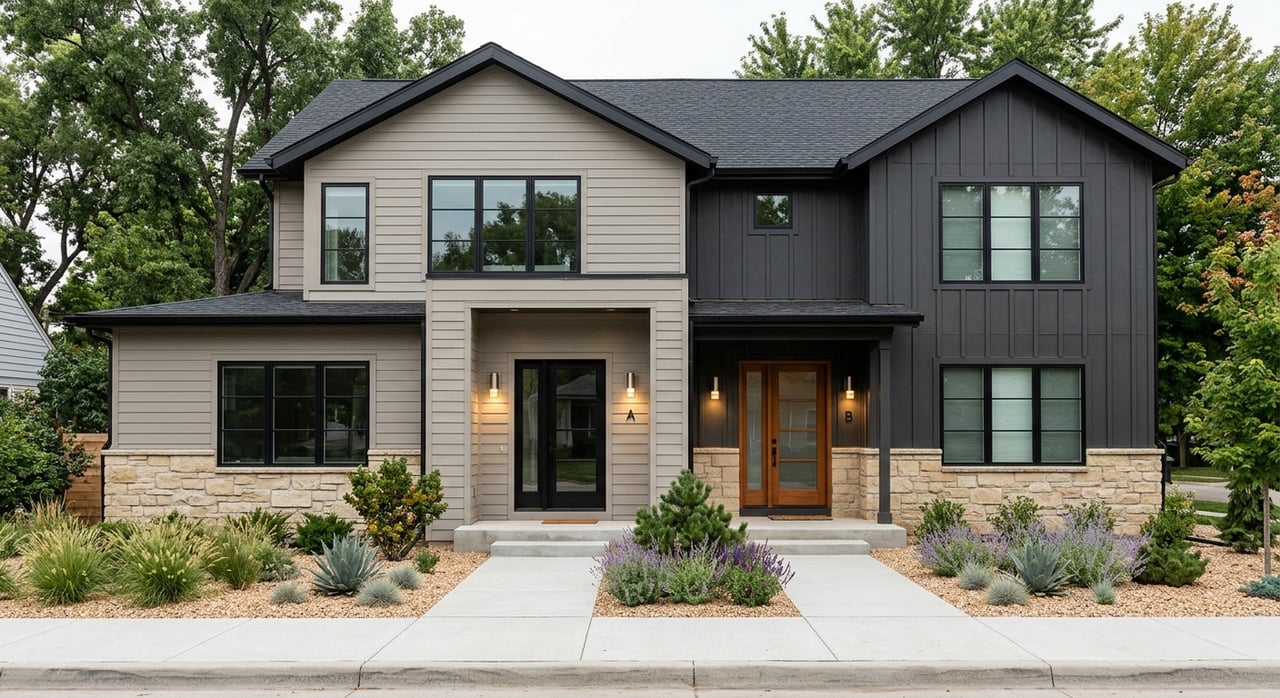
Townhomes often attract buyers who want a more manageable homeownership experience. Because they usually sit on smaller lots and share walls, outdoor upkeep is often lighter than what you would take on with a detached house.
That can be a strong fit if you want to spend less time on yard work and more time enjoying your weekends. In many communities, common areas and some exterior tasks are professionally managed, which can make monthly planning feel more predictable.
Smaller outdoor space
The tradeoff is usually private outdoor space. Townhomes often have smaller patios, compact yards, or limited exterior areas compared with detached houses.
If you love gardening, hosting big backyard gatherings, or having a lot of room outside your door, this may feel like a compromise. If you mainly want a place to relax without heavy upkeep, it may feel like a smart exchange.
Shared walls and community features
Townhome communities may also include amenities such as pools, fitness centers, or maintained common spaces. For some buyers, that convenience adds real value and helps offset the smaller lot size.
At the same time, attached living usually means less separation from neighbors than you would have in a detached home. Privacy preferences matter here, and they are worth thinking through before you tour properties.
What house living usually looks like
More space and privacy
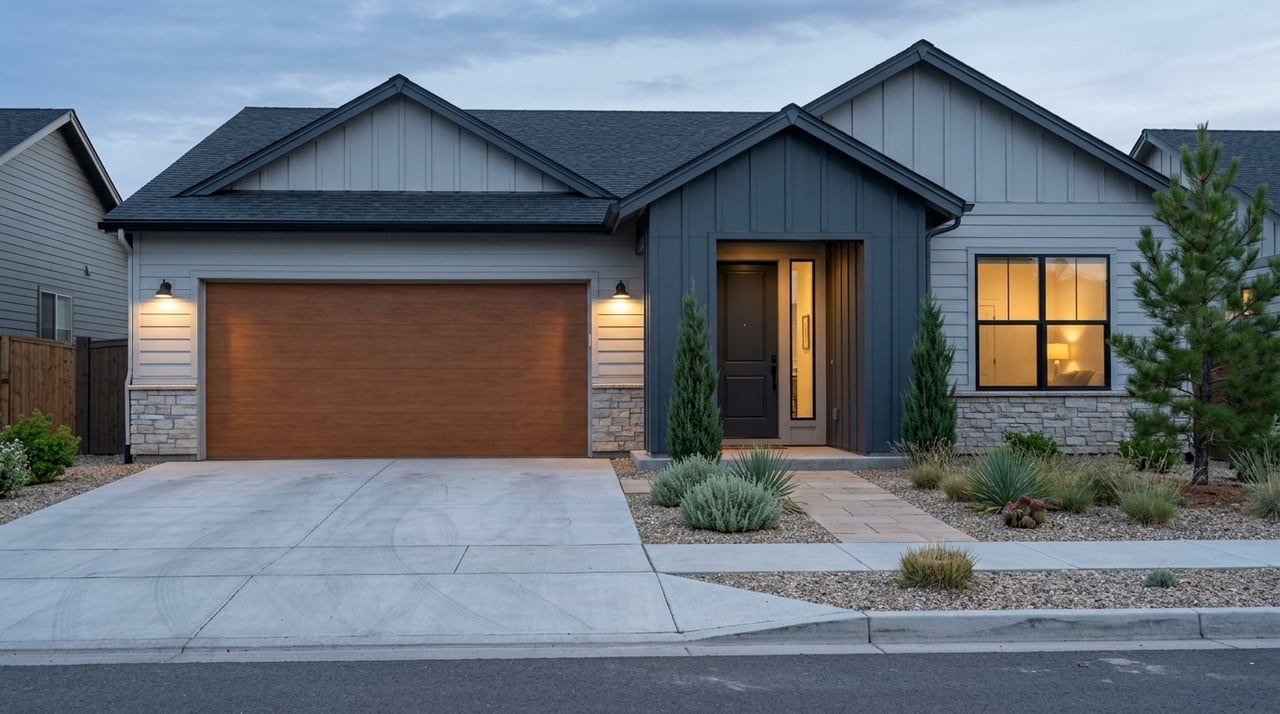
A detached house usually gives you more separation from neighboring homes. You may also get a larger yard, more room for outdoor activities, and greater flexibility for future changes.
For buyers who want space for entertaining, pets, gardening, or simply a little more breathing room, that can be the deciding factor. In Broomfield, though, that added space often comes with a higher price point.
More owner responsibility
When you own a house, you are usually taking on more of the maintenance directly. Lawn care, exterior upkeep, and repair planning are more likely to land on your to-do list and your budget.
That does not make a house the wrong choice. It simply means your monthly housing cost should be viewed as more than the mortgage payment. Ongoing care is part of the ownership equation.
HOA rules may still apply
A common assumption is that a house means no HOA. In Broomfield, that is not always true.
Single-family homes can still be part of community associations, especially in master-planned neighborhoods. That means you may still have dues, shared amenities, and rules that affect parking, landscaping, exterior changes, or other aspects of ownership.
Compare total ownership cost, not just list price
This is where many buyers can make a better decision with a little deeper analysis. A townhome may have a lower purchase price, but regular HOA dues and the possibility of special assessments can affect your real monthly and annual cost.
Colorado’s HOA Information & Resource Center explains that regular dues can cover landscaping, maintenance, insurance, and other operating costs. It also notes that special assessments may be used for major repairs, reserve funding, or new projects.
For a house, you may not pay the same level of dues, but you could be covering more maintenance yourself. Property taxes, homeowner’s insurance, utilities, maintenance, and repairs all belong in the comparison.
A simple way to compare
When you look at a townhome and a house in Broomfield, compare these items side by side:
- Purchase price
- Estimated monthly payment
- HOA dues
- Property taxes
- Homeowner’s insurance
- Utility costs
- Expected maintenance and repair costs
- Any known upcoming assessments or major work
This kind of side-by-side review often brings the right answer into focus faster than list price alone.
HOA due diligence matters in Colorado
If the property is part of an HOA, the next step is careful review. Colorado DORA recommends reviewing the association’s governing and financial documents so you can better understand how the HOA operates and how healthy its finances appear.
That review can help you spot whether the monthly dues seem to match the services provided, whether reserves appear adequate, and whether additional costs may be on the horizon. It can also help you understand rules before they become surprises after closing.
Colorado also notes that associations must maintain property insurance on common elements. That is why it is important to confirm what the HOA insures and what you, as the owner, would need to insure separately.
Broomfield lifestyle can change the answer
In some markets, the choice between a townhome and a house leans heavily on yard size alone. In Broomfield, the local lifestyle picture can shift that calculation.
The city reports 8,699 acres of public and private open space, parks, and other open lands, along with 396 miles of trails. If you care more about easy access to outdoor recreation than maintaining a large private yard, a townhome may feel more practical than it would in another suburb.
Broomfield also emphasizes its access to Denver and Boulder. For some buyers, commute convenience, nearby amenities, and lower-maintenance living can outweigh the benefits of a larger lot.
Neighborhood price examples show the spread
Broomfield is not one-size-fits-all, and neighborhood-level pricing reflects that. Current examples show single-family medians around $1.02 million in Aspen Creek and around $950,000 in Anthem and Broomfield Country Club, while townhouses in Arista are around $500,000.
That does not mean one area is automatically better than another. It simply shows how much your options can vary depending on the part of Broomfield you are considering and the kind of home you want.
Questions to ask when touring
The best tours are not just about finishes and floor plans. They are also your chance to understand what ownership will feel like after move-in.
Ask about maintenance responsibility
You will want to know exactly what is owner responsibility and what is HOA responsibility. That includes exterior surfaces, roofs, landscaping, snow removal, and shared spaces where applicable.
Ask what dues cover
Monthly dues can mean very different things from one community to another. Ask what is included, when the last increase happened, and whether major repairs or projects are already being discussed.
Ask about special assessments
Special assessments can materially change the cost of ownership. Ask whether there are any recent, pending, or likely assessments, and whether reserve funding appears strong enough for planned repairs.
Ask about rules that affect daily life
Rules may apply to parking, pets, fences, rentals, landscaping, and exterior changes. These are not small details. They shape how much flexibility you will have once you own the property.
Ask yourself how much space you really need
Think honestly about storage, garage use, and private outdoor space. It is easy to focus on what sounds nice in theory, but the better question is what you will actually use and maintain.
Which option fits you best?
A townhome may be the better fit if you want a lower entry price, a more predictable maintenance routine, and access to shared amenities. It can also make sense if you would rather spend time out on Broomfield’s trails and open spaces than taking care of a larger yard.
A house may be the better fit if privacy, yard space, and flexibility matter most to you. It may also be worth the higher cost if your long-term plans include outdoor projects, more room to spread out, or fewer shared walls.
In Broomfield, this choice is usually less about which property type is universally better and more about which one matches your budget, habits, and priorities. When you compare total cost, maintenance expectations, and lifestyle fit, the answer usually becomes much clearer.
If you want help weighing your options in Broomfield, Jonathan Pierotti and Peak Home Partners can help you compare neighborhoods, property types, and the real day-to-day tradeoffs so you can move forward with confidence.
FAQs
What is the price difference between a townhome and a house in Broomfield?
- Current Broomfield market data places median townhouse sale prices around $537,500 to $540,000 and median single-family sale prices around $685,000, which is a gap of roughly $145,000 to $150,000 before dues and maintenance.
Do Broomfield houses always have no HOA?
- No. In Broomfield, some single-family homes are still part of community associations, which may include dues, shared amenities, and rules.
What should you review before buying a townhome in Colorado?
- You should review the HOA’s governing documents, financial documents, insurance responsibilities, dues, and any history of special assessments or upcoming major projects.
Is a townhome a good fit for Broomfield buyers who want outdoor access?
- It can be, especially because Broomfield offers extensive open space and trail access that may make a smaller private yard feel less limiting for some buyers.
What matters most when choosing between a townhome and a house in Broomfield?
- The biggest factors are usually total ownership cost, maintenance responsibility, privacy, outdoor space, and how well the home fits your daily lifestyle.